

Buying a home is one of the biggest financial decisions most people will ever make. For many homeowners, the decision often comes down to this: should you buy an older home with character and potential, or a newer home with modern systems and updated construction standards?
As an electrical contractor who works inside homes every day, I’ve had the opportunity to see both sides firsthand. I’ve worked in beautifully maintained homes that are over 100 years old, and I’ve also worked in brand-new construction homes that were completed just months earlier. Both can be great options, but they come with very different advantages, challenges, and long-term costs.
If you’re trying to decide between an older home and a newer one, here are some important things to think about before making your purchase.

The Appeal of Older Homes
Older homes often have something that newer homes struggle to replicate: personality. Mature landscaping, unique architecture, established neighborhoods, larger lots, and craftsmanship details are all things that attract buyers to older homes.
Many homeowners also like the idea of purchasing a less expensive home and remodeling it over time to fit their needs and style.
Major Problems May Already Be Known
One advantage of an older home is that many of the major defects have already revealed themselves. In the first several years of a home’s life, issues such as settling, drywall cracking, paint failure, roof leaks, drainage problems, or foundation movement typically become noticeable.
With an older home, you may have a better understanding of the home’s long-term performance history. Previous owners may already have repaired major issues, upgraded systems, or replaced components like roofs, windows, furnaces, or electrical panels.
Of course, that does not mean older homes are problem-free. It simply means there is often more history available to evaluate.
Remodeling Potential
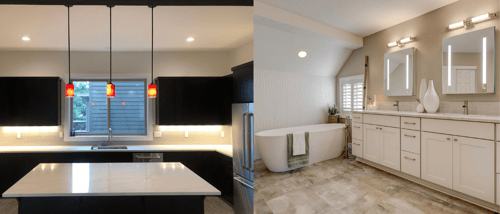
Many buyers intentionally purchase older homes because they want the opportunity to customize them.
Instead of paying a premium for a fully upgraded new home, some homeowners prefer to buy an older home at a lower price point and slowly remodel it over time. This approach can allow homeowners to prioritize projects that matter most to them, such as:
- Kitchen remodels
- Bathroom upgrades
- Recessed lighting installation
- Electrical panel upgrades
- EV charger installation
- Landscape lighting
- Smart home technology
- Generator backup systems
As an electrician specializing in residential remodels, I often see homeowners transform older homes into incredible living spaces while preserving the original character of the home.
Older Homes May Not Meet Current Codes
One of the biggest differences between older and newer homes is the building code under which they were constructed.
Building codes constantly evolve based on new safety research, technology improvements, and lessons learned over decades of construction. A home built in the 1950s, 1970s, or even early 2000s was built under very different standards than today.
That does not necessarily mean the home is unsafe. However, it does mean certain features common in modern homes may be missing.
For example, older homes may have:
- Fewer electrical outlets
- Minimal lighting
- Inadequate electrical services
- Limited kitchen circuits
- No arc fault protection
- Limited GFCI protection
- Older or no smoke alarm systems
- Ungrounded wiring
- Aluminum branch circuit wiring
- Old or small electrical panels
These are all things that should be evaluated during a home inspection process.
One important thing many homeowners do not realize is that older homes can also contain decades of homeowner modifications. Sometimes those modifications were completed properly with permits and inspections, and sometimes they were not.
This is why hiring qualified inspectors and licensed contractors during the buying process is so important.
Lead-Based Paint Can Increase Remodel Costs
One factor that many homebuyers overlook when purchasing an older home is the possibility of lead-based paint.
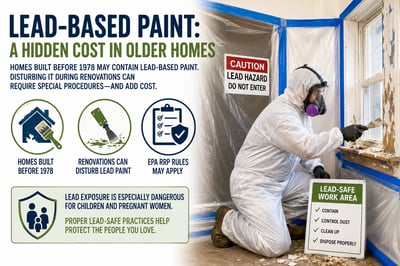
Lead-based paint was commonly used in homes until it was banned for residential use in 1978. If you're considering a home built before 1978, there is a chance that lead-based paint may be present on walls, trim, doors, windows, siding, or other painted surfaces.
The presence of lead paint doesn't automatically mean a home is unsafe. In many cases, lead paint that is in good condition and left undisturbed poses little risk. However, the situation changes when remodeling work begins.
Projects such as:
- Replacing windows and doors
- Removing walls
- Kitchen remodels
- Bathroom remodels
- Electrical rewiring
- Installing new lighting
- Sanding, scraping, or demolition work
can disturb painted surfaces and potentially release lead-containing dust into the home.
Because of these risks, the Environmental Protection Agency (EPA) requires contractors performing renovation work in most pre-1978 (1977 and older) homes to follow specific Lead Renovation, Repair and Painting (RRP) rules. These rules are designed to protect occupants, especially children and pregnant women, from exposure to lead dust.
The concern with lead exposure is largely centered around children. While lead can be harmful to people of any age, young children are particularly vulnerable because their bodies and developing brains absorb lead more readily than adults. Even relatively small amounts of lead exposure can contribute to learning difficulties, behavioral problems, developmental delays, and other long-term health issues.
One reason children are at greater risk is that they naturally explore the world with their hands and mouths. Historically, lead-based paint was known to have a slightly sweet taste, which sometimes led children to chew on painted window sills, trim, or peeling paint chips. While most children are not intentionally eating paint, deteriorating paint surfaces and lead-contaminated dust can easily be ingested through normal hand-to-mouth activity.
This is why EPA lead-safe work practices place such a strong emphasis on dust control and cleanup. The primary goal is not simply protecting the workers performing the renovation—it's protecting the children and families who will continue living in the home after the project is complete.
Depending on the scope of the project, contractors may be required to:
- Use certified personnel
- Contain work areas with plastic barriers
- Follow specialized dust-control procedures
- Perform detailed cleanup processes
- Document compliance with EPA regulations
These additional requirements can easily double the cost of a remodeling project compared to performing the same work in a newer home.
For example, a homeowner may purchase an older home thinking they can complete a simple kitchen remodel or small upgrade, only to discover that lead-safe work practices are required throughout the project. The added labor, materials, testing, and compliance procedures will significantly impact the budget.
This doesn't mean buyers should avoid older homes. Many older homes are wonderful properties with tremendous character and potential. However, if you're purchasing a home built before 1978 and plan to remodel, it's wise to investigate the possibility of lead-based paint early in the planning process. Understanding these requirements ahead of time can help you create a more realistic remodeling budget and avoid costly surprises later.
Energy Efficiency Differences
Energy efficiency is another major factor when comparing older and newer homes.
New homes are typically built with:
- Better insulation
- More efficient windows
- Improved air sealing
- Modern HVAC systems
- Energy-efficient appliances
- LED lighting
- Better ventilation systems
These improvements can significantly reduce monthly utility bills and improve overall comfort.
Older homes, on the other hand, may have:
- Drafty windows
- Poor insulation
- Older heating systems
- Inefficient lighting
- Higher air leakage
That does not mean an older home cannot become energy efficient. Many homeowners upgrade insulation, replace windows, install heat pumps, upgrade electrical systems, and add modern lighting to improve efficiency over time.
However, those upgrades can add substantial costs depending on the condition of the home.
Asbestos Can Also Affect Remodeling Costs
Lead-based paint isn't the only material that can create unexpected expenses when remodeling an older home. Many homes built before the 1980s may also contain asbestos-containing materials.
Asbestos was commonly used in products such as:
- Vinyl floor tiles
- Linoleum backing
- Popcorn ceilings
- Pipe insulation
- Furnace duct insulation
- Cement siding
- Roofing materials
- Certain wall and ceiling textures
Like lead-based paint, asbestos is often not a problem when left undisturbed and in good condition. However, remodeling activities such as demolition, sanding, cutting, or removing materials can release asbestos fibers into the air.
If asbestos is suspected, testing may be recommended before renovation work begins. Depending on the material and project scope, professional asbestos abatement may be required, which can add considerable expenses to a remodeling project due to all the extra steps to contain and safely remove it.
The Benefits of New Construction Homes
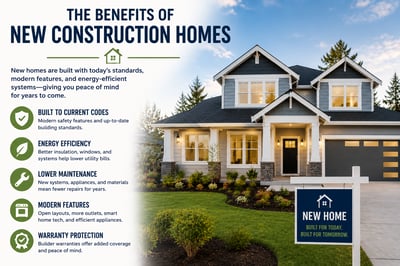
New homes offer a very different experience. For many buyers, the biggest appeal is simplicity and predictability.
Everything is new. Systems are modern. Repairs should theoretically be minimal for many years.
That peace of mind can be very attractive.
Built to Current Safety Standards
Modern homes are built using today’s building codes, which include many safety improvements compared to older homes.
For electrical systems specifically, newer homes often include:
- Arc fault circuit interrupter (AFCI) protection
- Modern GFCI protection
- Interconnected smoke alarms
- Carbon monoxide alarms
- Tamper-resistant outlets
- Larger electrical services
- Better grounding and bonding systems
These improvements are designed to help reduce fire risks and improve occupant safety.
Newer homes are also typically designed around today’s lifestyles, which means more outlets, better lighting layouts, larger kitchens, and more electrical capacity for devices and appliances.
Lower Maintenance Costs
One of the biggest advantages of a new home is reduced maintenance.
In theory, the roof, siding, plumbing, HVAC system, electrical system, appliances, and finishes should all last for many years before major replacement costs occur.
That can help homeowners better predict their expenses during the early years of ownership.
For busy families or first-time homeowners, this can remove a lot of stress.
But New Homes Are Not Always Perfect
One misconception is that new homes automatically include premium features. In reality, many builders focus on keeping costs competitive.
That means many new homes include basic or “builder-grade” finishes and electrical layouts.
It is very common for homeowners in newer homes to later add:
- Recessed can lighting
- Under-cabinet kitchen lighting
- EV chargers
- Garage subpanels for hobbies such as woodworking tools and automotive projects
- Additional outlets
- Ceiling fans
- Hot tub wiring
- Landscape lighting
- Sauna
- Emergency generator wiring
In other words, “new” does not always mean “fully customized.”
Builders also often limit the number of upgrade options available unless buyers pay additional costs during construction.
HOA Considerations
Many newer developments also include Homeowners’ Associations (HOAs).
HOAs can help maintain neighborhood appearance and consistency, but they also come with:
- Monthly or annual fees
- Rules and restrictions
- Approval requirements for exterior changes
For some homeowners, this structure is beneficial. For others, it can feel restrictive.
This is something buyers should carefully research before purchasing.

So Which One Is Better?
There is no universal right answer.
Some people love the charm, larger lots, and remodeling opportunities that come with older homes. Others prefer the lower maintenance and modern systems found in new construction.
The best choice depends on:
- Your budget
- Your long-term plans
- Your tolerance for remodeling projects
- Your maintenance expectations
- Your preferred neighborhood style
- Your energy efficiency goals
Most importantly, buyers should understand that every home — whether old or new — will eventually require maintenance, repairs, and upgrades.
The key is understanding what you are buying before you sign the paperwork.
Final Thoughts
Whether you buy an older home or a brand-new one, a thorough home inspection is essential. Electrical systems, plumbing, roofing, HVAC systems, insulation, and previous remodeling work should all be evaluated carefully.
As a residential remodeling electrician, I often tell homeowners that no house is perfect. Every home involves tradeoffs. The goal is finding the one that best fits your lifestyle, priorities, and future plans.
If you are considering purchasing a home and have questions about the electrical system, panel capacity, safety upgrades, or future remodeling possibilities, it is always worth consulting with a licensed electrical contractor before making major decisions.

