

When buying a home, the inspection report can be overwhelming. One area that almost always has notes is the exterior electrical system—the outlets, lights, wiring, and service components located outside the house. These areas are exposed to the elements, which makes them especially vulnerable to damage, improper installation, and wear over time.
As a master electrician in Sherwood, Oregon, I’ve seen countless inspection reports with exterior electrical notes. Some are quick fixes, while others raise serious safety concerns. In this blog, I’ll break down the most common exterior electrical issues inspectors flag, why they matter, and what homeowners need to know about them.
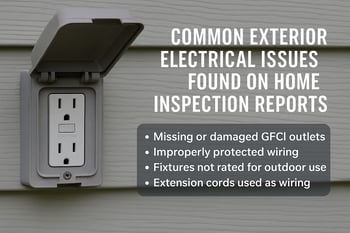
Missing or Damaged GFCI Protection on Exterior Outlets
One of the most common findings on inspection reports is missing or non-functional Ground Fault Circuit Interrupter (GFCI) protection for outdoor outlets.
- Why inspectors flag it: Outdoor outlets are exposed to rain, sprinklers, and damp surfaces. Without GFCI protection, there’s a risk of shock.
- Why it matters: GFCIs save lives. If an exterior outlet isn’t GFCI-protected, it doesn’t meet modern code and creates a hazard.
- Correction: Replace the outlet with a GFCI receptacle or upgrade the breaker in the panel to a GFCI breaker.
Improperly Protected Wiring and Conduit
Exposed electrical wiring is another frequent note.
- Why it happens: Wiring may be run along fences, siding, or underground without the proper conduit.
- Why it matters: Sunlight, rain, physical impact, and pests can all damage exposed wiring. Over time, insulation breaks down, leading to shorts or shocks.
- Correction: Outdoor wiring must be rated for exterior use and protected in conduit, buried to proper depth, or otherwise installed per code.
Exposed Wiring Under Decks, Sheds, or Porches
Inspectors often find open or unprotected wiring in these areas.
- Why it happens: DIY additions often involve running a quick line to power a light, fan, or outlet.
- Why it matters: These spaces are prone to moisture, rodents, and physical damage, making unprotected wiring unsafe.
- Correction: Wiring must be enclosed in approved outdoor-rated conduit or properly shielded.

Improperly Installed Exterior Light Fixtures
Outdoor light fixtures are often called out when they are not weather-sealed.
- Why inspectors note it: Missing gaskets or poor caulking can allow water into the fixture box.
- Why it matters: Water inside an electrical box or fixture creates a shock and fire hazard.
- Correction: Install outdoor-rated fixtures with proper gaskets, and ensure junction boxes are listed for exterior use.
Items Installed That Are Not Rated for Outdoor Use
This is one of the biggest red flags I see in inspection reports.
- Examples: Interior-grade junction boxes, light fixtures, or receptacles being used outside; non-rated cable stapled along a wall; or open splices made with standard wire nuts exposed to the elements.
- Why it matters: Interior-rated products are not designed to withstand rain, UV rays, or temperature changes. They deteriorate quickly and pose safety hazards.
- Correction: All electrical products installed outdoors must be specifically listed for exterior use. Weatherproof covers, outdoor-rated boxes, and wet-location rated fixtures are required.
Condition of the Service Mast and Weatherhead
The service mast (the conduit carrying utility power from overhead lines) and the weatherhead (the cap at the top) are always checked by inspectors.
- Why inspectors flag it: Leaning masts, damaged weatherheads, or low-hanging service drops are safety concerns.
- Why it matters: This is the first point of electrical entry into the home. If compromised, it can cause power surges or water intrusion into the panel.
- Correction: Repairs typically require coordination between a licensed electrician and the utility company.
Loose or Damaged Meter Base
The meter base (where the utility meter is housed) is also an area of concern.
- Why inspectors note it: Rust, damage, or loose connections can affect the integrity of the electrical system.
- Why it matters: While technically utility equipment, homeowners are responsible for maintaining the meter base and service equipment.
- Correction: A licensed electrician must repair or replace a damaged meter base, often requiring utility coordination.
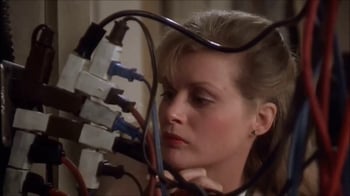
Extension Cords Used as Permanent Wiring
This is a very common issue, especially in sheds, patios, or outdoor kitchens.
- Why it happens: Homeowners often run an extension cord outside for temporary power but then keep it there for months or years.
- Why it matters: Extension cords are only rated for temporary use. Long-term use outdoors leads to damaged insulation, shock hazards, and fire risks.
- Correction: Permanent outdoor circuits should be installed with proper conduit, wiring, and receptacles. Extension cords should never replace permanent wiring.
Improper Junction Boxes or Missing Covers
Exterior splices and junction boxes are frequently found unprotected.
- Why inspectors flag it: Open boxes or missing covers expose live connections to the weather.
- Why it matters: Moisture can cause shorts and corrosion, while exposed wires present a shock hazard.
- Correction: All outdoor boxes must be outdoor-rated and covered with weatherproof lids or “in-use” bubble covers.
Why Inspectors Call Out Exterior Electrical Items
Exterior electrical issues are some of the easiest for inspectors to spot. They are also among the most important because exposure to the elements makes outdoor wiring more vulnerable to failure.
- Minor issues: Loose covers, missing gaskets, or broken light fixtures.
- Moderate issues: Exposed wiring, damaged conduit, or improperly installed fixtures.
- Serious issues: Service mast problems, use of non-outdoor rated equipment, or extension cords in place of permanent wiring.
Final Thoughts
When it comes to electrical systems, the outside of your home is just as important as the inside. Outdoor wiring and equipment face constant exposure to rain, sun, and physical wear, making code compliance and proper installation critical for safety.
If your inspection report notes exterior electrical issues, don’t panic. Many are common and straightforward for a licensed electrician to correct.
If you’re purchasing a home in Sherwood, Tualatin, Wilsonville, or anywhere in the Portland area, I can review your inspection report, explain the findings, and make the necessary corrections so your new home is both safe and code-compliant.

