

When you’re buying a home, one of the most important steps is the inspection. A good home inspector will go through the house from top to bottom, checking for safety issues, maintenance concerns, and potential repairs. One of the areas that always gets attention is the electrical panel—the central hub that distributes power throughout the home.
As a master electrician based in Sherwood, Oregon, I see inspection reports all the time, and they almost always have at least one note about the panel. Some items are minor corrections, while others can signal real safety hazards that shouldn’t be ignored. In this blog, I’ll walk you through the most common electrical panel issues inspectors call out, explain why they matter, and give you a sense of whether they’re a big deal or a simple fix.
Double-Tapped Breakers
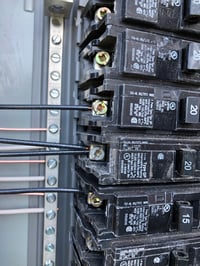
A double-tap happens when two wires are connected to a breaker designed for only one. Inspectors flag this often because it’s one of the most visible issues inside a panel.
- Why it happens: Homeowners or handymen sometimes add a circuit without realizing the breaker isn’t designed for multiple conductors.
- Why it matters: The breaker connection isn’t meant to hold two wires securely, which can lead to loose connections, overheating, or even arcing.
- Correction: Some breaker brands (like Square D QO and certain Siemens models) allow two conductors if installed properly. If not, the fix is to install a breaker rated for two wires, add a tandem breaker if applicable, or add a new breaker to the panel if space allows.
Incorrectly Sized Circuit Breakers
This is a common and potentially dangerous issue. Breakers are designed to protect the wiring they’re connected to, and if the breaker size doesn’t match the wire size, you can have a serious safety hazard.
- Why it happens: Sometimes circuits get modified without permits, or someone upgrades a breaker to stop nuisance tripping without upgrading the wiring. For example, installing a 30-amp breaker on 14-gauge wire is a recipe for trouble.
- Why it matters: If the breaker is too large, it won’t trip when it should, and the wire will overheat, increasing the risk of fire.
- Correction: The breaker must be replaced with one correctly sized for the wire, or the wire must be upgraded to match the breaker.
One Neutral Wire per Hole (White Wire)
Inside modern panels, the neutral bar has holes designed to hold one neutral wire each. Inspectors frequently note when two or more neutrals share the same terminal.
- Why it happens: Older installations or DIY work sometimes doubled up neutrals to save space.
- Why it matters: The screws are not designed to hold two neutrals securely. One wire can loosen over time, creating a poor connection and potential arcing.
- Correction: Each neutral needs its own dedicated hole on the neutral bar. If the bar is full, an additional bar can usually be added to the panel.
Aluminum Wiring to Branch Circuits
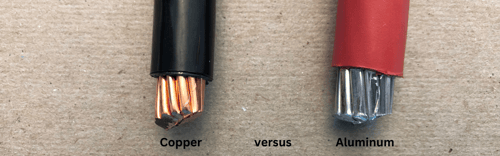
Homes built in the 1960s and 70s often used aluminum wiring for branch circuits. Inspectors always call this out because it has a history of problems.
- Why it happens: Aluminum was used at the time as a cheaper alternative to copper.
- Why it matters: Aluminum expands and contracts more than copper and tends to oxidize, which can loosen connections over time. This has been linked to overheating and fires.
- Correction: The safest fix is to rewire the affected circuits with copper. In some cases, approved connectors and methods (such as AlumiConn) can be used to make the connections safer without rewiring the whole house.
Missing or Incorrect Panel Labeling
Properly labeling circuits is required by code and is also essential for safety.
- Why it happens: Over time, panels get modified and labels aren’t updated, or sometimes they’re never done at all.
- Why it matters: If you don’t know which breaker controls which circuit, it’s harder to shut off power safely during maintenance or in an emergency.
- Correction: The panel should be clearly labeled, with each breaker marked for the area or device it serves.
Rust, Corrosion, or Water Intrusion
Panels located in garages, basements, or exterior walls are vulnerable to moisture.
- Why it happens: Water can enter through a faulty meter base, a damaged weatherhead, or even condensation.
- Why it matters: Corrosion weakens connections, and moisture inside a panel is an immediate safety hazard.
- Correction: The source of the water must be fixed, and in many cases the corroded panel needs to be replaced.
Missing or Improper Panel Screws
It may seem minor, but inspectors always note when panel screws are missing or the wrong type.
- Why it happens: Sometimes screws get lost during service, or sharp-point drywall screws are used as replacements.
- Why it matters: Sharp-point screws can pierce insulation on wires inside the panel. Missing screws leave gaps where fingers or tools could contact live parts.
- Correction: Only manufacturer-approved blunt-tip screws should be used, and all panel screws should be in place.
Outdated or Unsafe Panels
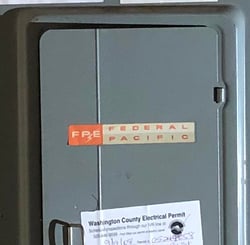
Certain brands of panels have a bad track record and are often flagged on inspection reports:
- Federal Pacific – Known for breakers that fail to trip, creating fire hazards.
- Zinsco – Known for breakers that overheat and fail to disconnect.
- Why it matters: These panels are considered unsafe and are strongly recommended for replacement, even if they appear to be functioning.
- Correction: Replacement with a modern, listed panel is the best solution.
Why Inspectors Call Out Panel Issues
Home inspectors aren’t electricians, but their job is to identify visible concerns. They tend to flag anything unusual or non-standard in a panel. That doesn’t mean every note is a crisis, but it does mean the item deserves professional evaluation.
- Minor issues: Missing labels, loose connections, or missing screws.
- Moderate issues: Double-taps, multiple neutrals under one screw, or mismatched breakers.
- Serious issues: Aluminum wiring, water intrusion, or outdated panels.
Final Thoughts
When you’re buying a home, seeing electrical panel notes on your inspection report can be stressful. But not every item is a dealbreaker. Some are quick fixes, while others may need more significant work.
The key takeaway is this: the electrical panel is the heart of your home’s electrical system, and it needs to be safe, code-compliant, and in good condition.
If you’re buying a home in Sherwood, Tualatin, Wilsonville, or the surrounding area and your inspection report lists electrical panel issues, don’t panic. Call a licensed electrician to evaluate the findings, explain your options, and make the necessary corrections so you can move forward with confidence.

